
Two books.
One unlearning.
My writing moves from the heart to the mind. The first book asks what we share beneath the divisions we inherit. The second asks which beliefs we have to unlearn before healing is even possible.
Together, the two books map one journey: from faith-centred humanism to a rigorous interrogation of history, culture, and the beliefs we never chose.
Alike Regardless asks what it means to see our shared humanity beneath the divisions we inherit — unity through love, self-reflection, and the courage to confront hatred. The Colonization of the Mind goes deeper, tracing how colonial systems shaped our language, faith, education, and sense of worth — and how we reclaim the power to think for ourselves.
The Forthcoming Book

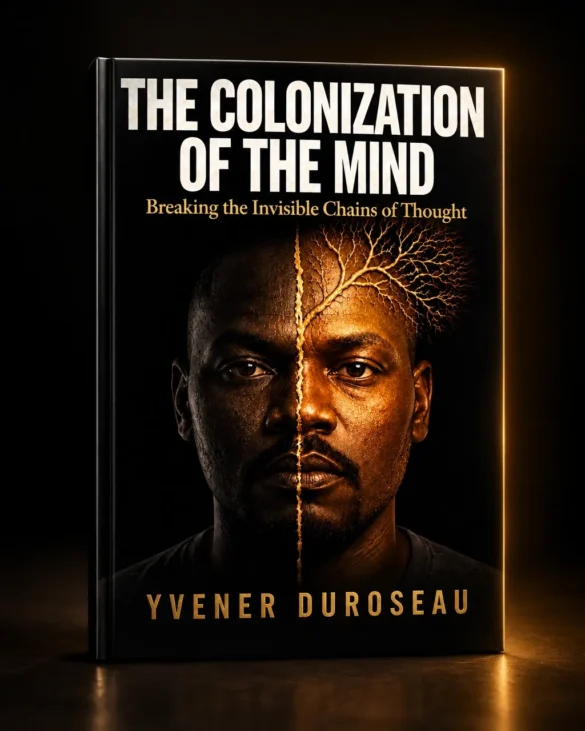
The Colonization of the Mind
A bold, deeply personal, and historically grounded exploration of how colonialism continues to shape belief, identity, language, religion, and power long after political independence.
Drawing from Haitian history, global anti-colonial thought, and my own journey away from inherited belief systems, this book challenges readers to confront uncomfortable truths — and reclaim intellectual sovereignty. This is not a rejection of spirituality or culture, but an invitation to choose consciously what we believe, honour, and pass on.
The Published Book

Alike Regardless
A reflective and accessible exploration of human unity in a divided world. Written during a time of global tension, the book invites readers to examine the roots of hatred, fear, and division — and to rediscover our shared humanity through self-reflection and love.
This book represents the beginning of my journey as an author and thinker, grounding my work in empathy and moral inquiry.
How These Books Connect
Together they trace an intellectual evolution — from unity rooted in faith to liberation rooted in historical truth, agency, and conscious choice.
Book Clubs, Universities & Organizations
Both books are written to be discussed. If your group is reading one of them, I welcome the chance to join the conversation.
- 01Book discussions
- 02University lectures
- 03Community forums
- 04Panels on decolonization, belief systems & Haitian history
Get the first two chapters of The Colonization of the Mind, free.
Two opening chapters about inherited beliefs, faith, fear, and the invisible forces that shape how we see ourselves and the world.